D2C
Product pages that sell: a simple checklist for D2C brands
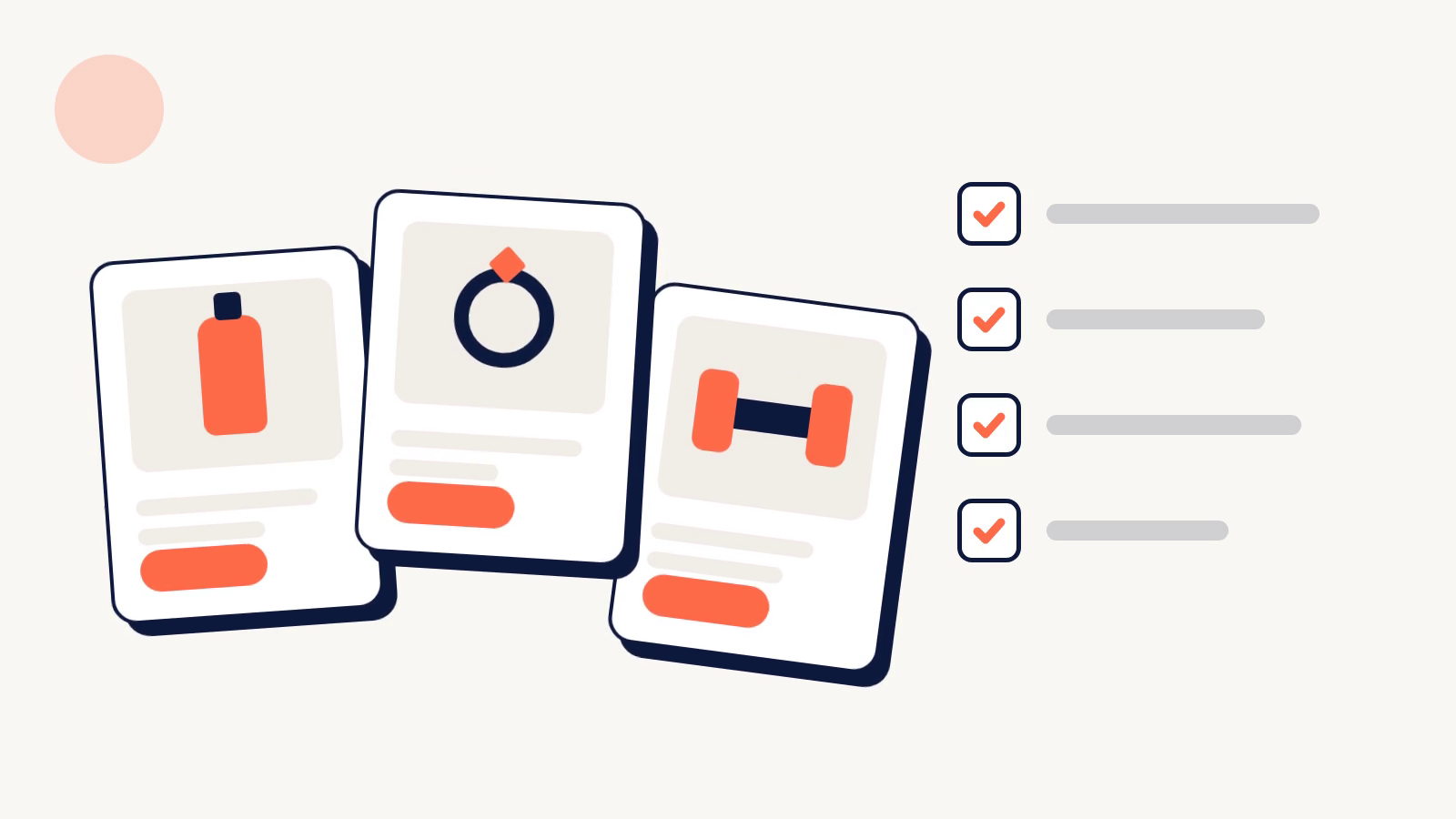
Someone taps through from an Instagram ad to your face serum. They like the look of it. Now they're on your product page, thumb hovering, with one question in their head: should I buy this? Your page has a few seconds to say yes. This checklist covers the product page best practices we use with D2C brands in skincare, jewellery and fitness, all in plain words you can put to use this week.
Why the product page does the selling
Your ads, reels and emails bring people in. The product page is where they decide. There's no shop assistant to answer questions, so the words on the page have to do that job.
A good page answers four things fast: what is this, what will it do for me, what does it cost and what happens if I don't like it. Everything else on this checklist supports those four.
1. Put the benefit up front
Start with what the product does for the customer, in one short line under the name. Ingredients, specs and the brand story can come later.
"Lightweight vitamin C serum" says what it is. "Brighter looking skin in a serum that sinks in fast and doesn't feel sticky" says why someone would want it. Use both: the name for clarity, the benefit line for the reason to care.
2. Be honest about the details
People can't touch or try your product, so details stand in for that. Be specific and be honest.
- Skincare: full ingredient list, skin types it suits, texture, smell, how to use it and how long a bottle lasts.
- Jewellery: metal, plating, stone, size in millimetres, weight, and whether it's safe for sensitive skin or water.
- Fitness: sizes with measurements, material, what it's good for (yoga or heavy lifting?) and how to wash it.
Skip claims you can't back up. "Clinically proven" needs a study you can point to. "Dermatologist tested" needs a test that happened. Overselling gets you returns and bad reviews, and in India the consumer protection rules for ecommerce expect your listing to match the actual product.
Here's the same product written two ways:
Before
Experience the ultimate luxury with our next generation radiance elixir, crafted to transform your skincare ritual.
After
A light vitamin C serum for dull skin. Sinks in fast, no sticky feel, no strong smell. Use 3 drops each morning before sunscreen. One 30ml bottle lasts about two months.
The second one is plainer, and it answers the questions a shopper would ask about this serum. (The figures in it are example copy, so use your own product's facts.)
3. Answer the doubts that stop people buying
Every product has a few doubts that make people close the tab. Find yours and answer them on the page.
Where do you find them? Your customer service inbox, your DMs, return reasons and the questions people leave under your posts. If three people asked "will this ring turn my finger green?", the next hundred are wondering the same thing.
Then answer them where shoppers will see them: a short "Good to know" section near the buy button, or a few questions and answers lower down. Keep each answer to a line or two.
4. Use reviews well
Reviews let other customers speak for you. A few tips:
- Show the star rating and number of reviews near the product name.
- Let people filter by skin type, size or use, so shoppers find reviews from people like them.
- Keep the critical reviews. A page with only five star reviews looks odd, and a calm, helpful reply to a three star review builds trust.
- Never write fake reviews or pay for them. The ecommerce rules linked above say sellers mustn't pose as customers and post reviews.
Photos from customers help a lot, especially for jewellery and activewear where people want to see the fit and size on someone like them. Ask happy customers for them, with permission. Our guide to writing customer case studies covers how to ask nicely.
5. Make delivery and returns clear
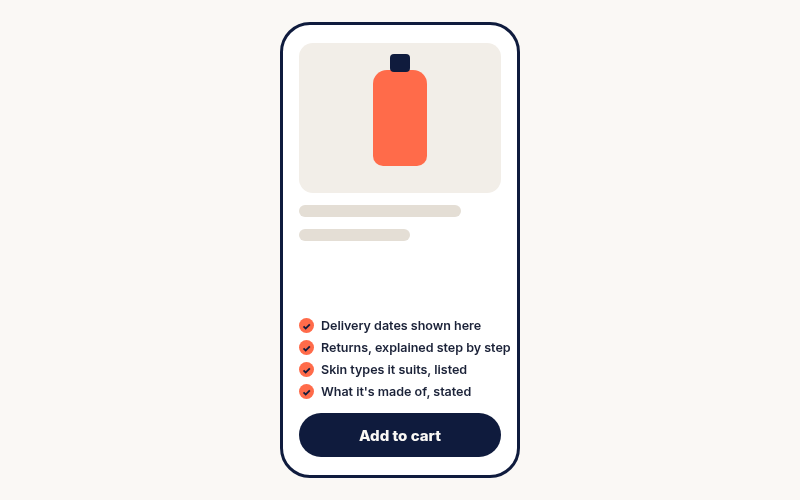
Surprise delivery charges at checkout lose sales. So does a returns policy hidden in the footer.
Put a short line near the buy button:
- "Free delivery over ₹999. Arrives in 3 to 5 days." (Use your own numbers.)
- "Didn't suit you? Return it unopened within 7 days for a full refund."
Show the total price clearly too, including any compulsory charges. If you sell to India, the ecommerce rules ask for the total price with the breakup of charges, plus clear terms on returns, refunds and delivery before purchase.
6. Write it in your brand's voice
Lots of D2C pages sound the same, because they're built from the same templates. Your page can sound like you. If your Instagram is chatty and warm, your product page should be too. We wrote more about this in why your brand sounds different on every channel.
7. Help search engines understand the page
Give each product its own title and description, written by you and not copied from a supplier. Use the words customers search for, like "gold plated hoop earrings" over a made up collection name. Google explains how product structured data can show price, ratings and stock in search results.
The quick checklist
Before a page goes live, check that it has:
- the product name and a one line benefit
- clear photos, including one in use
- honest, specific details and no claims you can't back up
- answers to your top doubts
- reviews, including critical ones
- the total price, delivery time and returns in one or two lines
- copy in your brand's voice
Product page best practices: FAQ
What should a product page include?
The product name, a clear benefit, photos, price, honest details, answers to common doubts, reviews, and delivery and returns info near the buy button.
What makes a good product detail page?
It answers a shopper's questions before they have to ask. It's clear about what the product does, what it costs and what happens if they want to send it back.
How long should a product description be?
Long enough to answer the questions people ask about that product. Put the key benefit and details first, then add more below for those who want it.
How do I write product descriptions that sell?
Lead with what the product does for the customer, use plain words, be specific and honest about details, and write the way your brand talks everywhere else.
Want a hand with your product pages?
We help D2C brands in skincare, jewellery, fitness and more write product pages that answer questions and sound like them. Have a look at our services, or email hello@markivasolutions.com with a link to a product page. We'll send back a few thoughts or a clear quote.